RAM/CPU prices fluctuate daily. Contact us to secure stock.

Language

Home Field Service & Utilities
Field Service & Utilities

Rugged Hardware for Field Service & Utilities

In-vehicle workstations and outdoor tablets for engineers who work in any weather — specified for FSM software, GIS field data and diagnostic workflows on power, water, telecom and emergency-services fleets.

1–3 day UPS delivery

EU stock, 40+ countries

Pre-configured

OS imaging, MDM, asset tags


12-mo / 3-yr warranty

Pre-Owned / New In Box

Quick Answer

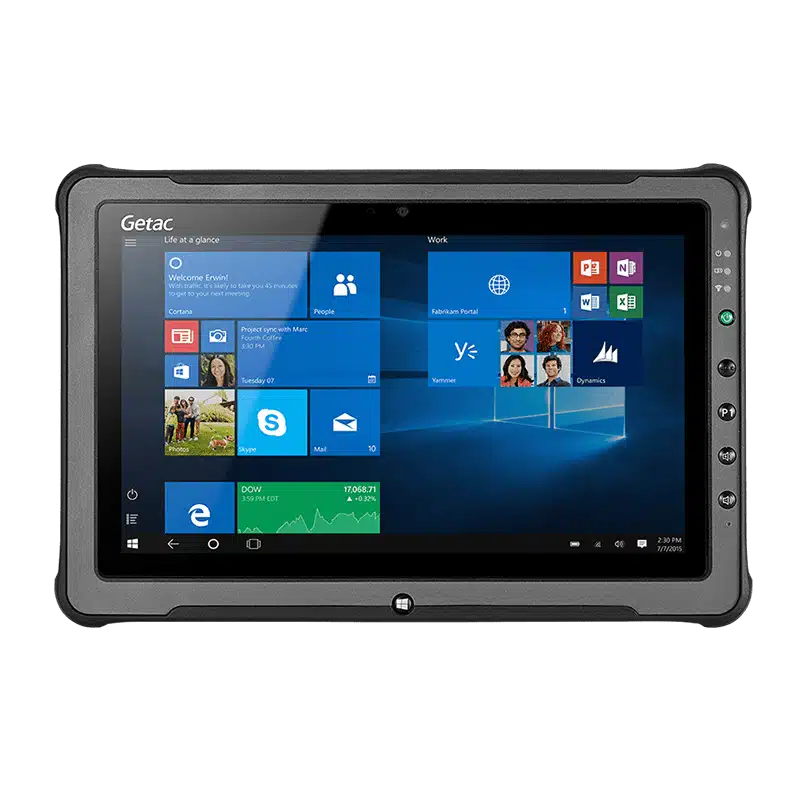
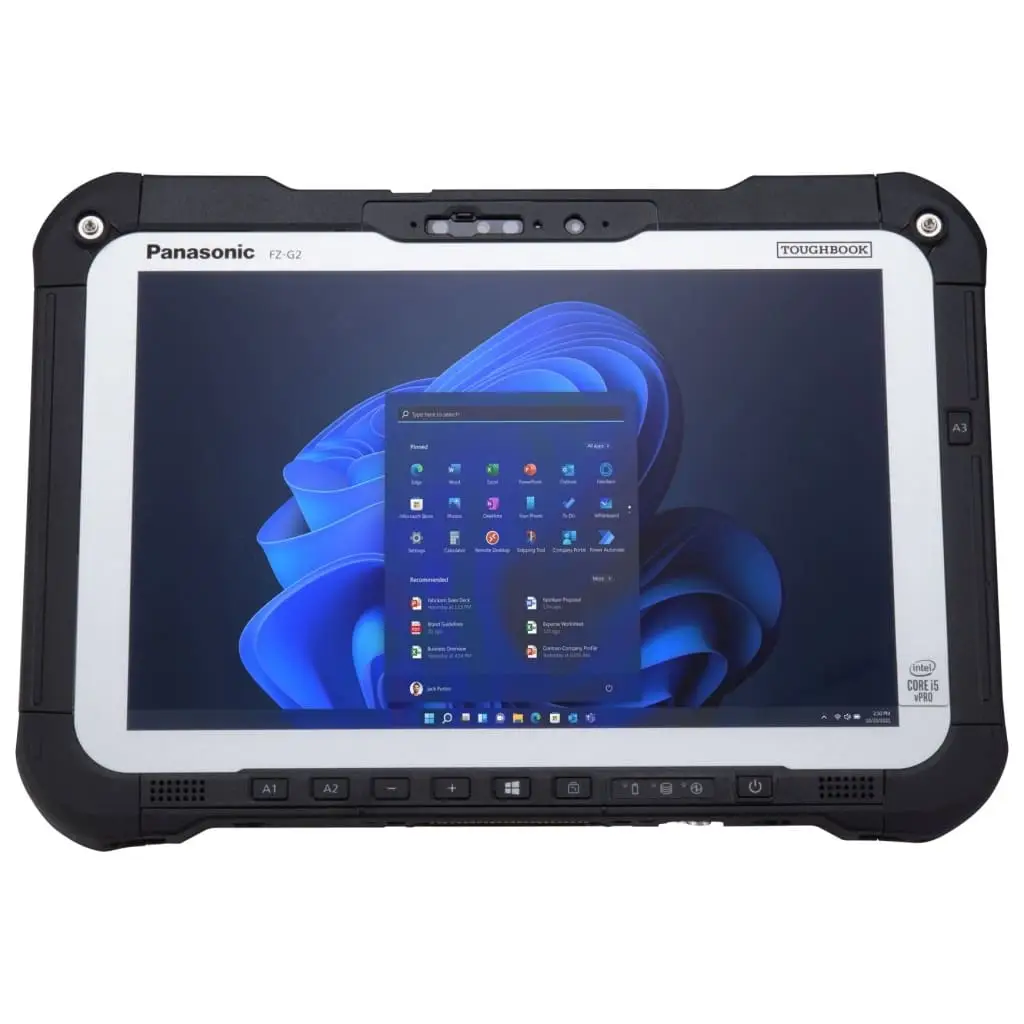
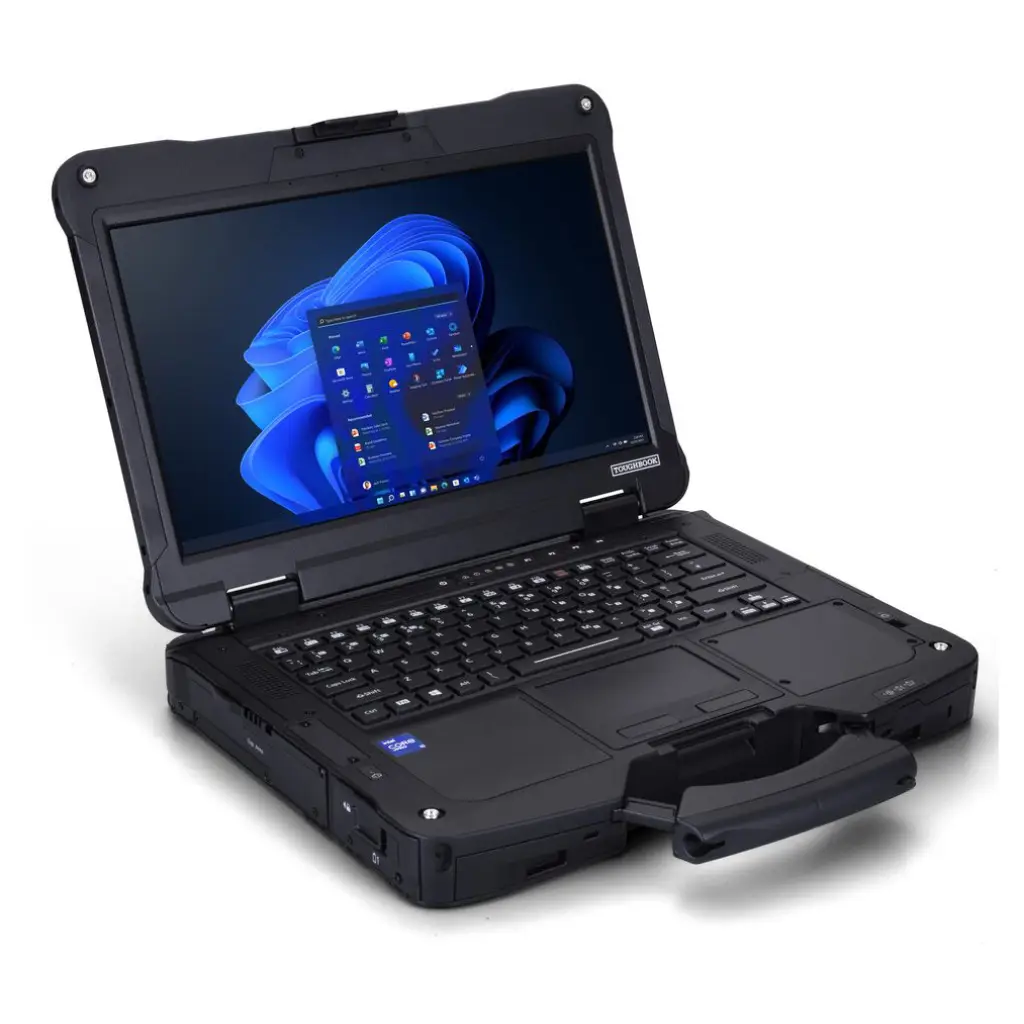
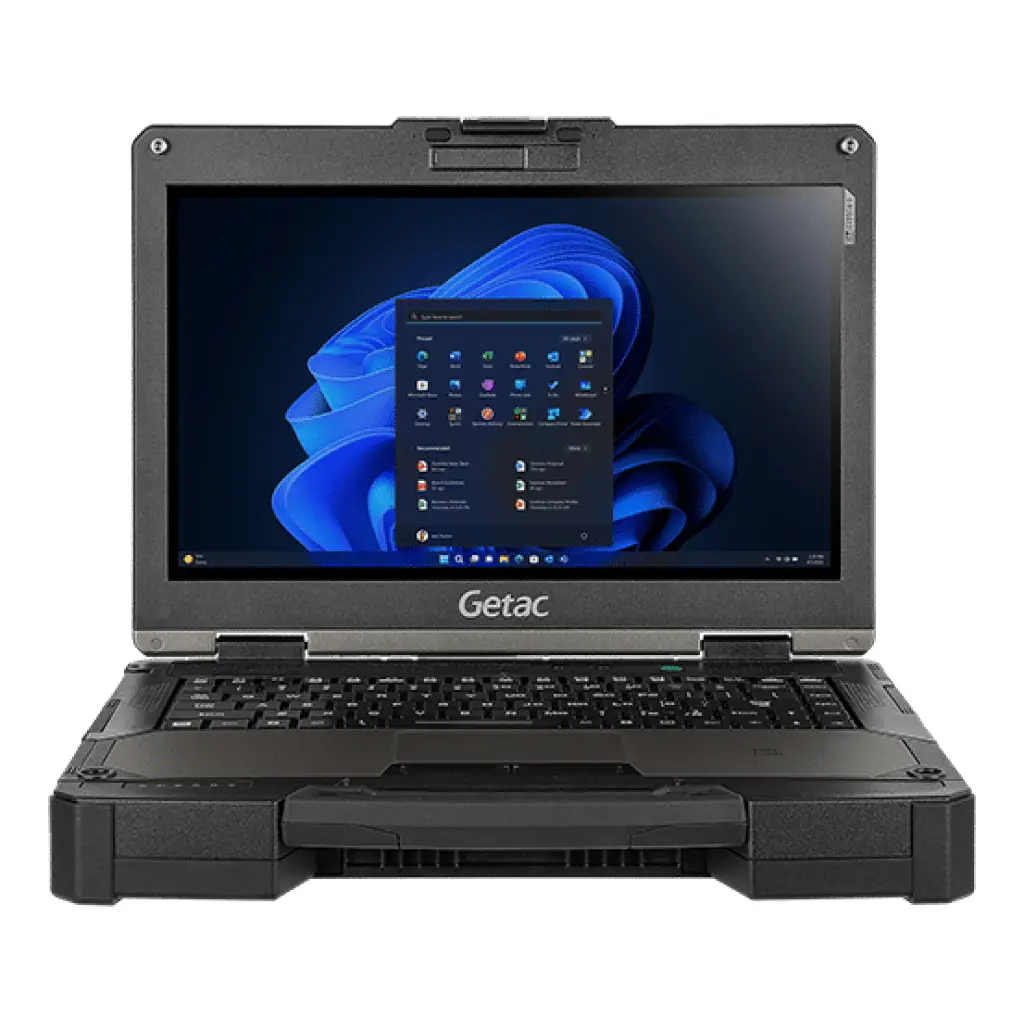
Field service and utilities teams run on two hardware profiles: rugged Windows tablets like the Getac F110 G6, Dell Latitude 7230 Rugged Extreme and Panasonic Toughbook G2 for engineers who move between the truck and the asset, and in-vehicle rugged laptops like the Panasonic Toughbook 40 and Getac B360 for dispatch, mobile data terminal (MDT) and CAD-adjacent work in the van cab. All must offer sunlight-readable displays, glove-compatible touch, cellular fallback where coverage is thin, and vehicle-dock compatibility for the target fleet.

Trusted by industry leaders worldwide

At-a-glance comparison

Featured devices side-by-side

Featured devices side-by-side
Device Form factor OS Ruggedness Display brightness Best for
Getac F110 G6 11.6″ rugged tablet Windows Fully rugged 800 nits All-day carry, sunlight, no keyboard
Dell Latitude 7230 Rugged Extreme 12″ rugged 2-in-1 Windows Fully rugged 1000 nits Tablet at the asset, keyboard back in the van
Panasonic Toughbook G2 10.1″ rugged tablet Windows Fully rugged 1000 nits Substation and meter rounds, one-handed in gloves
Panasonic Toughbook 40 Rugged laptop Windows Fully rugged 1200 nits Long service reports and diagnostics software in the cab
Getac B360 G2 Rugged laptop Windows Fully rugged 1400 nits Vehicle-docked MDT work in bright outdoor light
Getac V110 Convertible laptop Windows Fully rugged 1000 nits Carry-out-of-the-van work needing a keyboard and a tablet mode

Speccing devices for a field-service or utility fleet?

Tell us the workflow — engineer tablet, in-vehicle laptop, MDT or blue-light — and we’ll come back within 24 hours with a configuration and dock package matched to it.
The reality of the field

One truck, twelve jobs, weather that doesn't cooperate

Field service is the sector where the device leaves the office in the morning and doesn’t return to a controlled environment for ten hours. An engineer drives to a substation, opens a cabinet in horizontal rain to run diagnostics, drives to a customer site to swap a smart meter, and finishes the day updating job cards from the cab as light fades. Utility crews — power, water, gas, telecom — follow the same pattern with heavier PPE and higher safety pressure. Blue-light services (police, ambulance, fire) add response-time and evidence-capture requirements on top. What makes this sector unforgiving is the range: a device has to work in a freezing van at 06:30, in bright direct sun at midday, in rain at 15:00, and it has to hold a data connection through all of it because the FSM back-end doesn’t care about weather.

Where it works

Utility substations, water pumping stations and treatment plants, telecom cabinets and mast climbs, domestic and commercial premises for meter and appliance work, and inside the van cab as a mobile data terminal between jobs. Ambulance, police and fire vehicles apply the same environmental pressure with tighter response-time and evidence requirements.

What it does

Field service management (ServiceMax, IFS, Salesforce Field Service, Dynamics 365 FSM) for work-order dispatch and completion; GIS field data and mapping (ESRI ArcGIS Field Maps); asset diagnostics against SCADA and enterprise asset management systems; photographic evidence capture for compliance and QA; and mobile data terminal / CAD workflows for blue-light services.

What breaks it

Weather — driving rain, snow, sub-zero starts, freezing fog and summer heat — combined with the transition shock of a device moving from a warm cab to a cold cabinet and back. Vibration on rough rural roads, drops from cab step-down to gravel, wet-glove operation, and cellular coverage that fluctuates as the engineer moves between rural sites. Consumer hardware in a field-service role typically fails within 12–18 months.

Why it matters

First-time-fix rate is the single metric field-service operations optimise for, and it depends on the engineer having every piece of information at hand at the asset — history, parts, diagrams, dispatch updates. A device that drops connection or dies mid-diagnostic doesn't just cost time; it costs a callback, and callbacks are how a service operation loses margin.

From reality to requirement

What field service and utility crews actually need from a device

The specifications that separate a device that survives 3-year fleet duty from one that comes back to the workshop after a wet winter.

IP65 or higher against rain, dust and wash-down

Outdoor field work means rain and mud, and utility cabinets often mean concrete or metal dust. IP65 is the working baseline; IP66 handles wind-driven rain and van wash-down. Below IP65, port and screen edges will fail inside a wet winter.

MIL-STD-810H drop rating (1.5 m preferred)

Cab step-down onto gravel or asphalt is a 1.2 to 1.5 m drop. Verify the drop-test height on the datasheet — 1.5 m tested to MIL-STD-810H is the working threshold for a device that will spend three years being handed in and out of vans.

Sunlight-readable display (800+ nits)

Outdoor work at midday needs at least 800 nits to remain readable. Below that, engineers tilt for shade or give up and use paper — both of which hurt first-time-fix rate.

Glove-compatible and wet-screen capable touch

Utility crews and blue-light officers work in gloves. Verify glove-mode is switchable on the specific device and that the screen rejects false touches from water droplets — both are settings, not fixed properties.

Built-in cellular with dual-SIM

Rural and infrastructure work sits outside strong Wi-Fi. Built-in 4G/5G with dual-SIM lets the device fall back automatically between operator networks and avoids depending on a phone hotspot in cold-weather PPE.

Vehicle-mount cradle and dock ecosystem

For MDT and blue-light in-cab use, verify the manufacturer's own powered cradle exists for the target vehicle. Havis, Gamber-Johnson and OEM-original docks with pass-through Ethernet, GPS, serial and antenna are the reference — third-party or discontinued cradles are a recurring warranty problem.

Wide operating temperature range

Winter early-starts, summer road-side, van interior temperature swings. Confirm the operating range in writing — −20°C to +60°C is the working spec for a genuine field-service device.

Hot-swap or genuine all-shift battery

A field engineer cannot reboot mid-job. Hot-swap batteries (Toughbook approach) or a documented 10-hour all-shift battery under actual field load are the two valid answers — 'up to 12 hours' from a marketing bullet is not.

Speak the spec

The ratings worth writing into a field-service requirement

MIL-STD-810H

Drop, vibration and environmental durability

The working reference. Numbers that matter: drop height (1.5 m minimum for van-cab fleets) and the vehicle-mount vibration profile for cradle-mounted devices. Ask for the test report against specific methods, not the summary bullet.

IP65 / IP66

Rain, dust and wash-down protection

IP65 is the working baseline for outdoor field work. IP66 handles wind-driven rain and van wash-downs. Blue-light and utility applications typically write IP66 into the RFT to cover heavier weather exposure.

VEHICLE MOUNT / DOCK ECOSYSTEM

Havis, Gamber-Johnson, OEM-original

For MDT and in-cab installs, the dock is as important as the device. Verify a currently-in-production, powered dock is available for the target van/vehicle platform — third-party cradles for out-of-production devices are a recurring reliability issue.

OPERATING TEMPERATURE RANGE

Cold morning to summer cab

Standard rugged spec is −20°C to +60°C. Anything narrower will drop out on a winter early-start or a hot afternoon cab. Confirm the range in writing on the quote.

Speccing devices for a field-service or utility fleet?

Tell us the workflow — engineer tablet, in-vehicle laptop, MDT or blue-light — and we’ll come back within 24 hours with a configuration and dock package matched to it.

24-hour tailored quotes

Same-day response on standard configurations. 24–48 hours for complex builds.

Pre-configured on arrival

OS imaging, MDM enrolment, asset tagging and app pre-load, done in-house before shipping.

3-year / 2-year / 12-month warranty

3-year on new laptops and tablets, 2-year on new scanners and handheld computers, 12-month on certified pre-owned. Extended options on request.

Trade-in on old fleets

We accept end-of-life rugged hardware against new procurement and retire it responsibly.

FAQ

Common questions about rugged devices for field service and utilities

The Getac F110 G6 is the default recommendation for utility engineers and field service technicians — 11.6″ sunlight-readable display, IP66, glove-compatible touch and mature FSM/GIS software compatibility. The Dell Latitude 7230 Rugged Extreme is the alternative where a detachable keyboard is needed; the Panasonic Toughbook G2 is the choice where an integrated barcode scanner matters.
The Panasonic Toughbook 40 is the reference in-vehicle laptop across European utility and blue-light fleets — fully rugged, hot-swap batteries, and a mature Havis and Gamber-Johnson dock ecosystem for common van platforms. The Getac B360 G2 is the equivalent alternative with a 1400-nit display option.
Yes. Windows-based rugged tablets and laptops (Toughbook 40 / G2, Getac F110 / B360, Dell Latitude Rugged) run the same FSM client software used on desktops with no compatibility gap. Configuration and MDM enrolment can be done before shipping.
Yes — all the primary recommendations offer built-in cellular as an option, most with dual-SIM. This is a specific configuration line item, not a default on every SKU, so confirm it on the quote for each unit.
Yes. Havis, Gamber-Johnson and OEM-original powered docks with pass-through Ethernet, GPS, serial and antenna are available for the Toughbook 40, Getac B360 and Getac F110 G6 across common van platforms. We supply the dock alongside the device and verify current-production status before quoting.
Standard-configuration quotes are returned within one business day. Configured builds (imaging, MDM enrolment, FSM pre-install, asset tagging) typically add 1–2 business days. In-region EU deliveries via UPS then arrive within 1–3 business days.
New-in-box with a 3-year warranty is the default for primary fleet devices on a standard refresh cycle. Certified pre-owned with a 12-month Micro Nordic warranty is the cost-effective route for expansion units, callout / relief-crew spares, and seasonal peak deployments — typically 40–60% cheaper.

Need 10+ Rugged Devices?

Get a custom quote from our enterprise team. Volume pricing, pre-configuration and global delivery available.

Get Started

Request Your Quote

Tell us about your devices and we’ll get back to you.