


Handheld scanners and wearable devices for continuous scanning across a full shift, inside the four walls of the DC or 3PL.

ZEBRA
Rugged 8-inch and 10-inch enterprise tablets with integrated 2D imager. The default for pick-to-tote, put-to-light and shift-length inventory workflows.
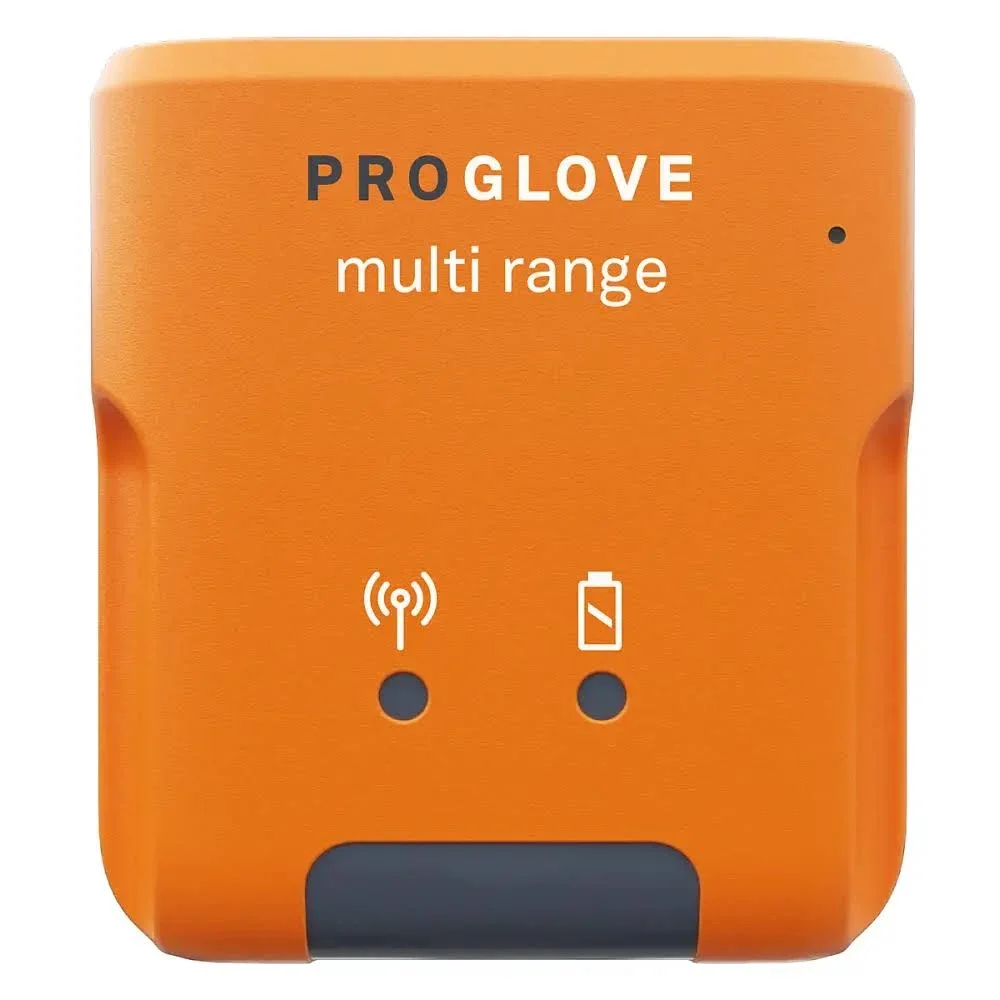
PROGLOVE
Back-of-hand wearable scanner that keeps both hands free for goods handling. The right choice when scan volume per picker exceeds 300/hour or where two-handed picking dominates.

HONEYWELL
Handheld computer with pistol-grip option, tuned for repetitive scanning in DC receiving, replenishment and packing. Strong option where Honeywell fleets are already deployed.
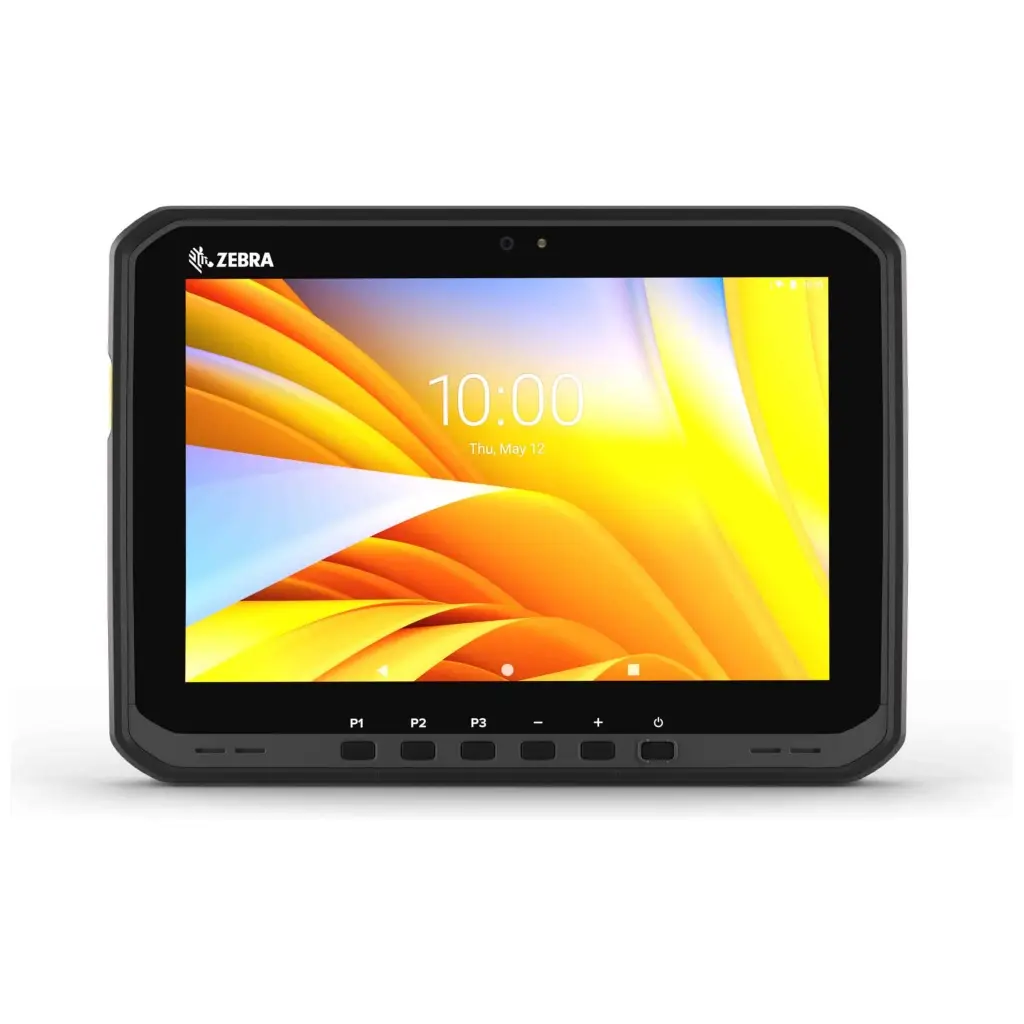
ZEBRA
10-inch rugged Android tablet with integrated imager and a mature forklift-mount ecosystem. The choice for stationary and vehicle-mounted DC workstations — receiving desks, packing benches and forklift terminals — where the ET40 is too small to run the WMS screen comfortably.
Rugged tablets and laptops for driver and yard use — vehicle-mounted, sunlight-readable, and hardened for the walk between cab and consignee.

GETAC
Fully rugged convertible with backlit keyboard and swappable batteries. Dominant in vehicle-mount and driver-workstation roles across European transport fleets.
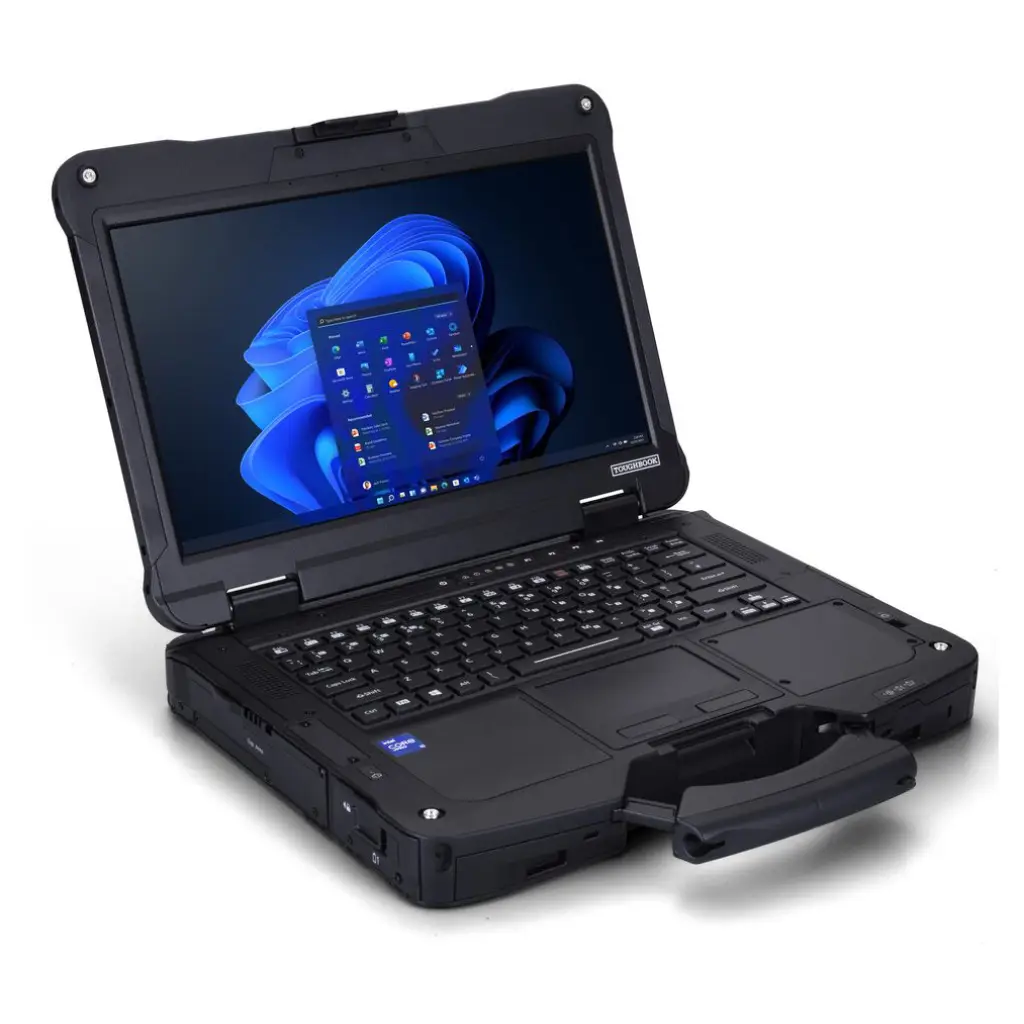
PANASONIC
The reference fully-rugged laptop. Chosen where the driver or dispatcher needs a full keyboard, hot-swap batteries and a 3-year duty cycle without hardware refresh.

DELL
Semi-to-fully-rugged Dell laptop with strong integration into existing Dell IT estates and management tooling. Common in fleets already standardised on Dell Latitude infrastructure.
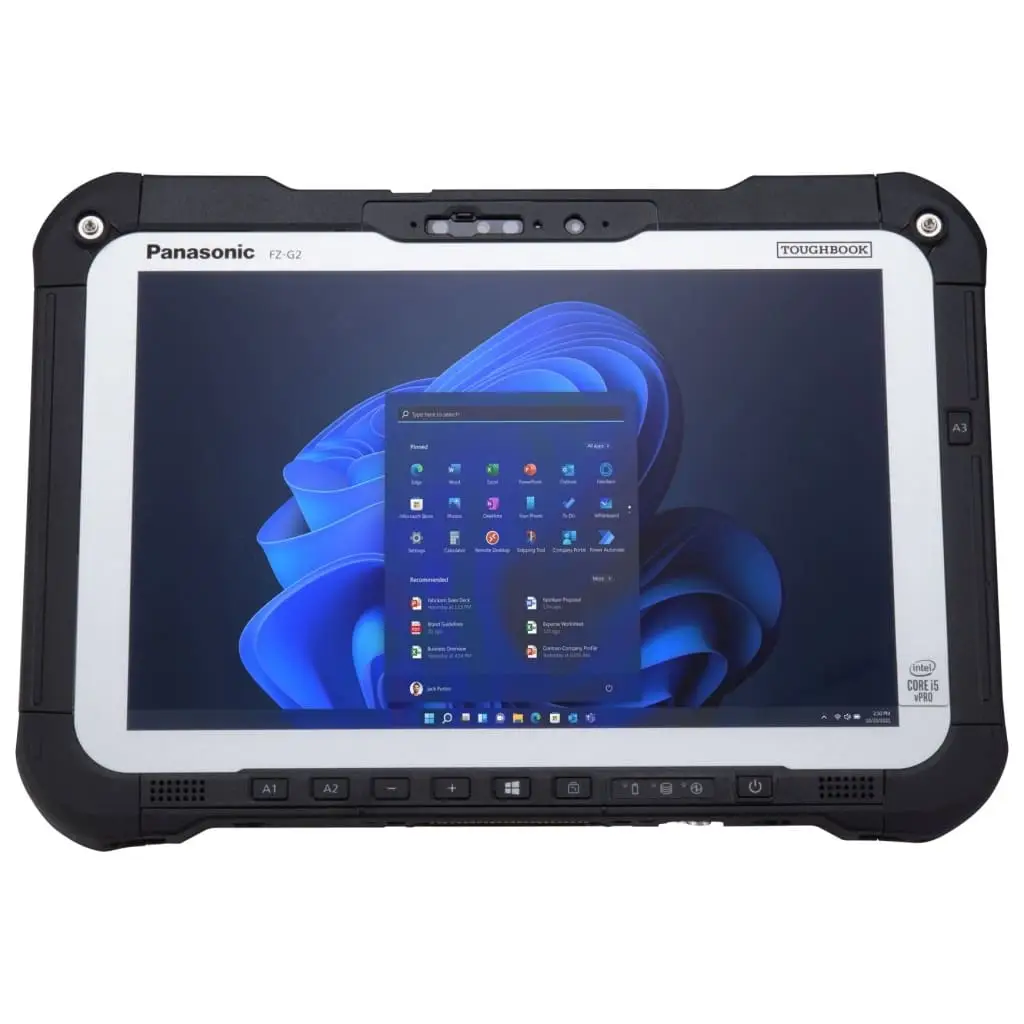
PANASONIC
10-inch fully-rugged Windows tablet for delivery drivers who need Windows apps but not a full laptop. Common in last-mile and courier fleets.
Inside the four walls of a DC or 3PL, the pressure on hardware is repetition and drops. A single picker scans 200–400 items per hour; a peak-season induction line scans faster. Devices are gripped with gloves in cold-storage aisles, sprayed down during shift changeover, and forced into pockets, holsters or vehicle cradles between tasks. Barcode read range, imager class and battery hot-swap capability matter more than raw CPU performance — a device that reads a damaged label first-time cuts pick errors, and a device that swaps batteries without a reboot keeps a picker on their feet for the full shift.
Yard operations sit between the DC and the road. Devices move outdoors into daylight and rain, get mounted on forklifts and yard trucks, and interface with drivers who have gloves on and 30 seconds to check a load. Sunlight-readable displays (typically 800 nits and up) become non-negotiable, IP65 dust and water ingress is the floor, and vibration resistance to MIL-STD-810H drives whether a vehicle-mount device survives 12 months of use or 3.
In-cab and delivery hardware runs a different workload — turn-by-turn navigation, proof-of-delivery capture, signature workflow, hazmat documentation, tachograph interaction. The device is either dashboard-mounted or handed between driver and consignee at every stop. It has to survive being dropped onto a loading-bay floor, then read a barcode in bright sunlight two minutes later. Battery life across a 10-hour route is often the deciding spec.
Sub-zero picking is a specialist environment. Screens fog on entry, batteries lose capacity, and standard-grade rubber on button surfaces cracks. Devices rated for cold-storage use (typically −20°C or −30°C operating range) with heated screens and freezer-rated batteries are a different SKU line from ambient-warehouse hardware, and confusing the two is one of the most common procurement mistakes we see.
The realistic drop height inside a warehouse is between waist and shoulder — 1.0 to 1.5 metres onto concrete. MIL-STD-810H tested to at least 1.2 m is the working threshold for pickers and packers.
IP65 covers wash-downs at shift change, driving rain in yard operations, and dust ingress on inbound docks. IP67 is required if devices are being submerged briefly (rare but seen in fish and produce chains).
Any device that leaves the shell of the warehouse — yard trucks, dock doors, driver cabs, curbside delivery — needs a display readable at midday. Below 800 nits, drivers stop looking at the screen and errors climb.
2D imagers read damaged, curved and stacked barcodes reliably; laser scanners struggle with anything but pristine 1D. For any operation touching DPM, GS1 DataBar or crushed cartons, 2D is the only sensible choice.
A picker cannot reboot mid-shift. Either the device supports hot-swap batteries with a bridge cell (Toughbook approach) or it ships with a battery genuinely rated for a full 10-hour shift under continuous scan load.
For forklift and yard-truck deployments, verify the device manufacturer's own powered cradle exists and is currently in production. Third-party cradles for out-of-production devices are a recurring source of warranty and reliability issues.
Standard capacitive touchscreens fail with gloves and rain. Verify glove-mode is switchable and that the screen rejects false touches from water droplets — both are settings, not physical properties, and both matter daily.
For any freezer or chilled work, confirm the operating-temperature range in writing and specify freezer-rated battery packs. A device rated to 0°C will not survive an ambient −25°C aisle, regardless of how brief the exposure.


