RAM/CPU prices fluctuate daily. Contact us to secure stock.

Language

Home Manufacturing & Automotive
Manufacturing & Automotive

Rugged Devices for Manufacturing & Automotive

Hardware built for the plant floor, not the office next to it. Vibration, metal dust, MES logins a hundred times a shift — the factory floor asks more of a device than almost any other environment. Here’s what the sector needs, and which rugged tablets and laptops we recommend to meet it.

1–3 day UPS delivery

EU stock, 40+ countries

Pre-configured

OS imaging, MDM, asset tags


12-mo / 3-yr warranty

Pre-Owned / New In Box

Quick Answer

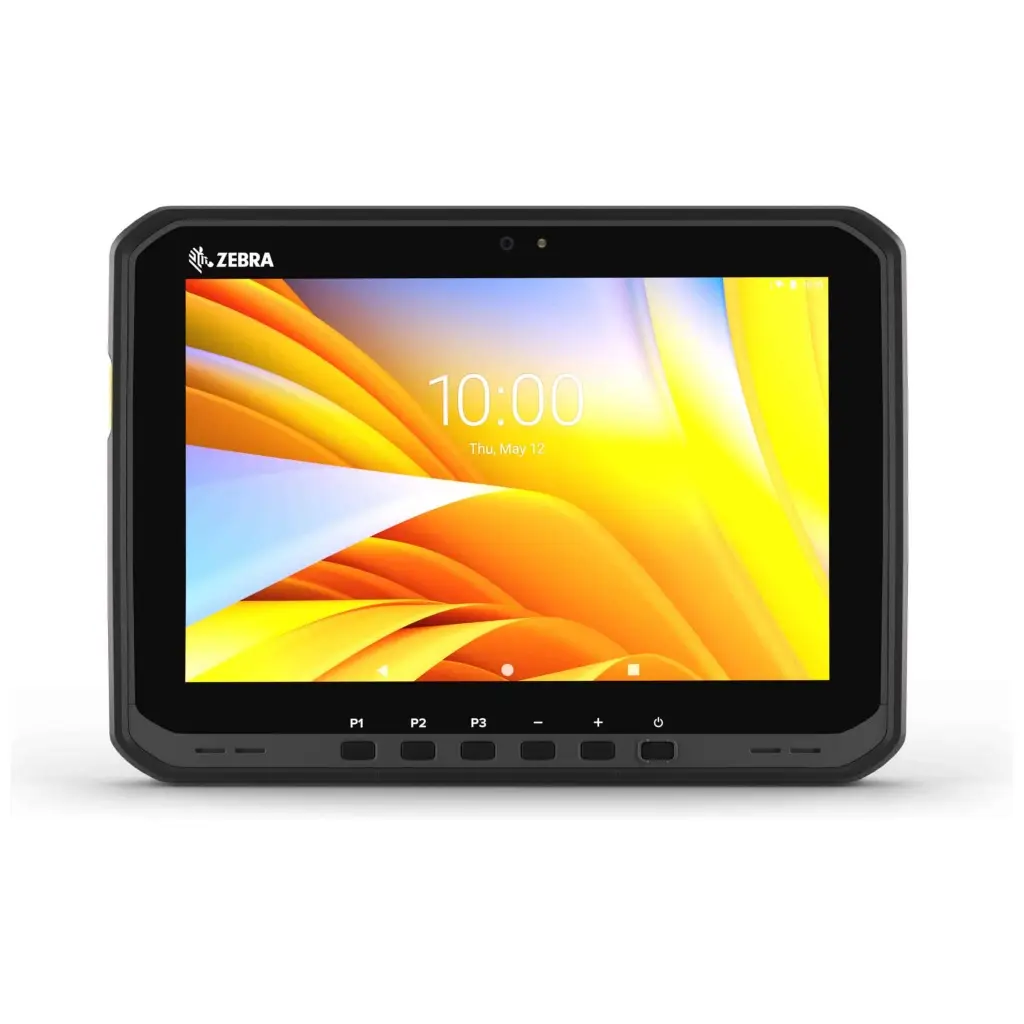
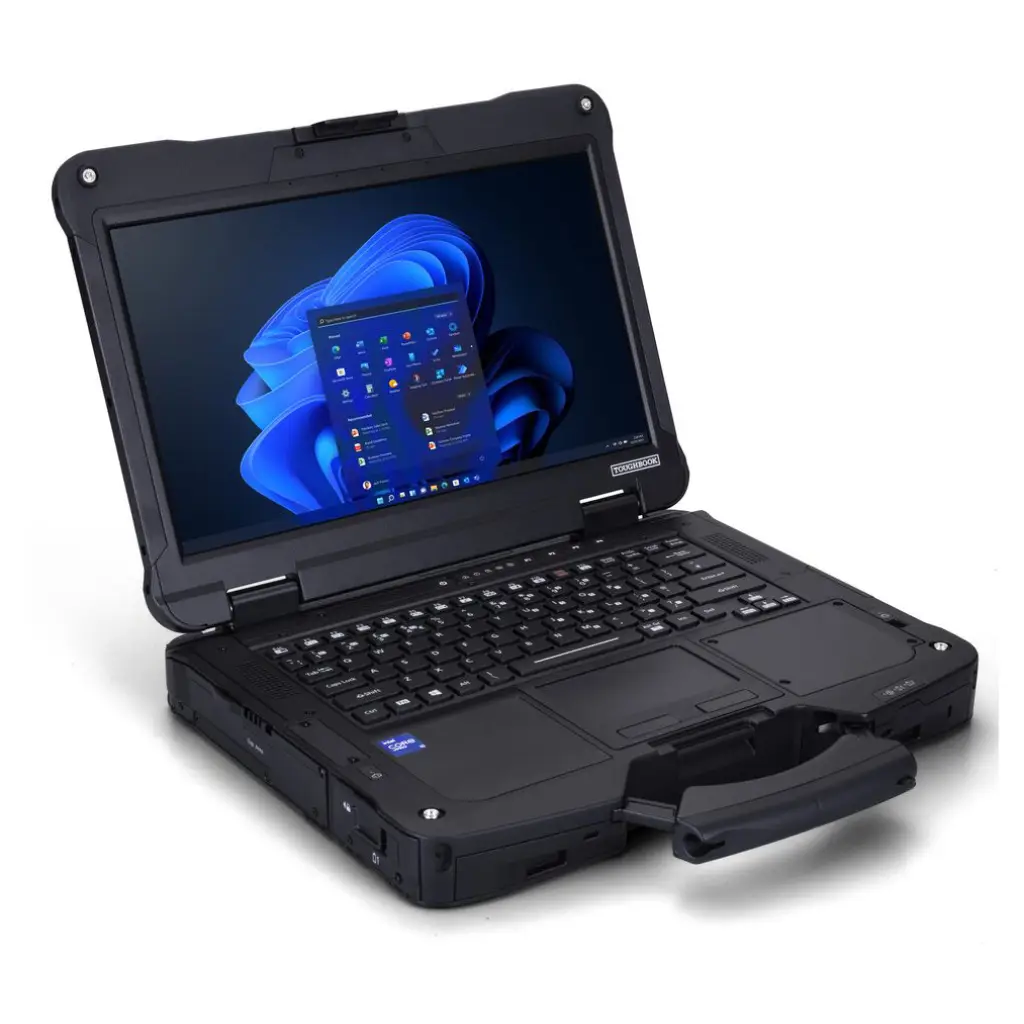
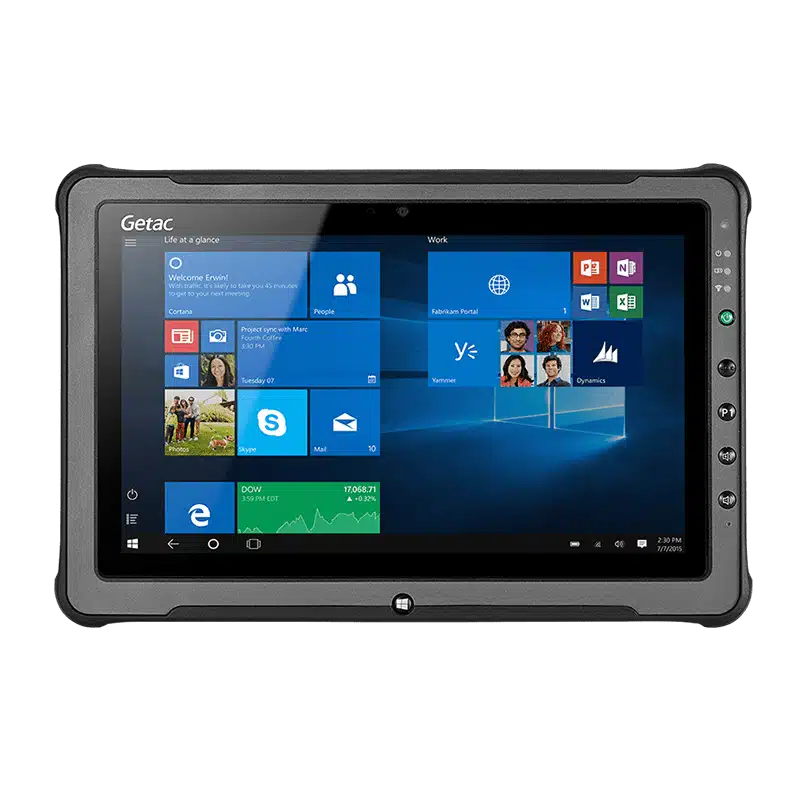
Manufacturing and automotive floors run on two device profiles: rugged Android tablets like the Zebra ET60/ET65 for line-side scanning, MES logins and quality inspection, and rugged Windows laptops or tablets like the Panasonic Toughbook 40, Dell Pro Rugged 13 and Getac F110 G6 for engineering, diagnostics and maintenance work. All must withstand continuous vibration near machinery, metal and plastic particulate, gloved-hand operation and full-shift use without losing an MES session or diagnostic connection.

Trusted by industry leaders worldwide

At-a-glance comparison

Featured devices side-by-side

Featured devices side-by-side
Device Form factor OS Ruggedness Integrated scanner Best for
Zebra ET60 10″ rugged tablet Android Fully rugged Yes Line-side MES scanning, gloves on
Zebra ET65 10″ rugged tablet + 5G Android Fully rugged Yes Yard logistics and multi-site plants on cellular
Zebra ET40 8″ rugged tablet Android Fully rugged Yes Kitting and inbound quality checks, one-handed
Panasonic Toughbook 40 Rugged laptop Windows Fully rugged Optional Maintenance engineers on the floor with legacy Windows tools
Dell Pro Rugged 13 Semi-rugged laptop Windows Semi-rugged No Quality and production office roles, occasional floor walks
Getac F110 G6 Rugged Windows tablet Windows Fully rugged Optional Machine commissioning and diagnostics, tablet in one hand

Speccing devices for a plant floor or automotive workshop?

Tell us the workflow — line-side, engineering, diagnostics, or a mix — and we’ll come back within 24 hours with a configuration matched to it.
The reality of the floor

One line, a hundred logins, zero tolerance for downtime

A manufacturing plant runs on a device doing the same job over and over, thousands of times a shift, without ever getting to sit still. A technician logs into the MES at one workstation, walks the line to check a reading, opens a CMMS ticket, scans a component, and does it again ten minutes later — for eight, ten, twelve hours. The device isn’t a tool the worker picks up occasionally; it’s load-bearing infrastructure for the production line itself. What makes this sector unforgiving isn’t any single hazard — it’s the combination of constant vibration from heavy machinery, metal and plastic particulate in the air, and a workforce wearing gloves who can’t stop to remove them every time they need to tap a screen. Add automotive-specific pressure — technicians moving between vehicles, diagnostic ports and shop-floor terminals — and a device has to survive being picked up, set down, dropped and handed off between shifts without ever losing its MES session or its diagnostic connection.

Where it works

Assembly lines, quality control stations, maintenance bays, automotive service bays, paint and welding areas, and plant-wide walking routes between stations. Each of these environments imposes its own mix of vibration, particulate and interference — and the device has to move between them without missing a beat.

What it does

Real-time MES and ERP data entry, CMMS work orders and preventive maintenance logging, quality inspection and defect documentation, parts and component barcode tracking, and automotive diagnostics and vehicle system checks. The workload is transactional and continuous — not compute-heavy, but latency- and connection-sensitive.

What breaks it

Continuous vibration near machinery, metal and plastic dust ingress into unsealed ports and vents, drops onto concrete or shop flooring, gloved-hand operation on capacitive screens not tuned for it, and electromagnetic interference near welding equipment and automation cells. None of these events kill a device in a single moment — they compound over months, which is why consumer hardware in this environment tends to fail after 6–9 months rather than immediately.

Why it matters

A stalled device at one workstation doesn't just slow one technician — on a line running to takt time, it can back up the whole station behind it. In automotive maintenance, a device that loses its diagnostic connection mid-check means redoing work, not just restarting an app. The operational cost of an unreliable device is measured in line-stops and rework hours, not in the price of the device itself.

From reality to requirement

What manufacturing and automotive teams actually need from a device

These are the specifications that separate a device that survives 3-year duty on a plant floor from one that ends up back on the IT bench after 6 months.

MES / ERP / CMMS connectivity

Real-time production data and work orders are the reason the device exists on the floor at all — a device that can't hold a stable connection to these systems isn't doing its job. Verify Wi-Fi 6/6E radios and, where coverage is patchy, cellular fallback.

Vibration and shock resistance

Devices mounted near or carried around heavy machinery take constant low-grade shock that consumer hardware isn't rated for — this is a durability category of its own, distinct from a single drop event. Look for MIL-STD-810H vibration profiles, not just the drop-test line.

Sealed against metal dust and particulate

Plant floors generate fine metal and plastic dust that works into unsealed ports and vents over time, not just in a single exposure. IP65 or higher is what prevents slow internal failure — and it needs to hold for the whole 3-year duty cycle, not just at unboxing.

Glove-compatible touch

Technicians in PPE can't remove gloves dozens of times a shift just to interact with a screen. Glove-touch support is a productivity requirement, not a convenience — and on most rugged devices it's a switchable mode, so verify it's tuned for the glove type actually worn on the line.

EMI / EMC resistance

Welding equipment, automation cells and industrial motors generate electromagnetic interference that can disrupt unshielded electronics. Relevant enough that some plants specify EMC-tested hardware outright — EN 61000 compliance is the certification to ask for.

All-shift battery life

A device that dies mid-shift stops a technician's workflow at an arbitrary point, often mid-inspection or mid-work-order. Hot-swappable batteries (Toughbook approach) prevent that without taking the device fully offline; genuine all-shift batteries are the alternative on tablet form factors.

Rugged laptop or tablet — the right form factor

Line-side and inspection work favours a tablet's portability and camera; engineering, diagnostics and CAD-adjacent work favour a laptop's keyboard and processing power. Getting this choice wrong is the most common procurement mistake in this sector.

Speak the spec

The ratings worth writing into a manufacturing hardware requirement

IP65 OR HIGHER

Dust-tight sealing against metal and plastic particulate

IP65 is dust-tight and resistant to low-pressure water jets — the working baseline for any plant floor generating machining swarf, weld spatter or plastic dust. IP66 handles heavier wash-down. Below IP65, expect particulate ingress to shorten device life measurably.

MIL-STD-810H

Drop, vibration and shock testing

Directly relevant given the constant low-grade vibration near machinery. The number that matters isn't just drop height (1.2 m is the working threshold) — it's whether the vendor tested against the vibration profile that matches your environment. Ask for the actual test report, not the marketing line.

EMC / EN 61000

Electromagnetic compatibility

Worth specifying where welding, automation cells or high-voltage equipment share the floor. Devices without documented EMC testing can drop connections or corrupt data around industrial motors — EN 61000 compliance is the European standard to write into the requirement.

Speccing devices for a plant floor or automotive workshop?

Tell us the workflow — line-side, engineering, diagnostics, or a mix — and we’ll come back within 24 hours with a configuration matched to it.

24-hour tailored quotes

Same-day response on standard configurations. 24–48 hours for complex builds.

Pre-configured on arrival

OS imaging, MDM enrolment, asset tagging and app pre-load, done in-house before shipping.

3-year / 2-year / 12-month warranty

3-year on new laptops and tablets, 2-year on new scanners and handheld computers, 12-month on certified pre-owned. Extended options on request.

Trade-in on old fleets

We accept end-of-life rugged hardware against new procurement and retire it responsibly.

FAQ

Common questions about rugged devices in manufacturing & automotive

It depends on the workflow. Tablets suit line-side inspection, MES logins and quality documentation where portability and a camera matter most. Laptops suit engineering, diagnostics and maintenance work that depends on a full keyboard and more processing power. Most plants deploy both, split by role rather than standardising on one device for everyone.
IP65 or higher for dust and particulate sealing, MIL-STD-810H for vibration and drop resistance, and — if your floor includes welding, automation cells or high-voltage equipment — EMC / EN 61000 compliance for electromagnetic interference resistance.
Yes. Android devices like the Zebra ET60/ET65 run on Zebra Mobility DNA and integrate with standard MES/ERP/WMS platforms; Windows devices like the Toughbook 40 and Dell Pro Rugged 13 run the same MES/ERP client software used on desktop terminals, with no compatibility gap.
Windows-based rugged laptops and tablets (Toughbook 40, Getac F110 G6) support standard automotive diagnostic software and vehicle interface tools without extra configuration, and hold up to the shop-bay environment — drops, fluids, temperature swings — better than a standard laptop.
Yes — devices can ship imaged, MDM-enrolled, app-loaded and asset-tagged, so a plant can deploy a new fleet straight out of the box rather than configuring each unit on-site.

Need 10+ Rugged Devices?

Get a custom quote from our enterprise team. Volume pricing, pre-configuration and global delivery available.

Get Started

Request Your Quote

Tell us about your devices and we’ll get back to you.